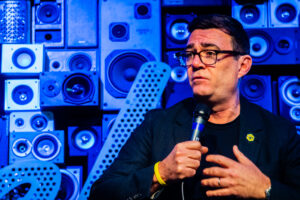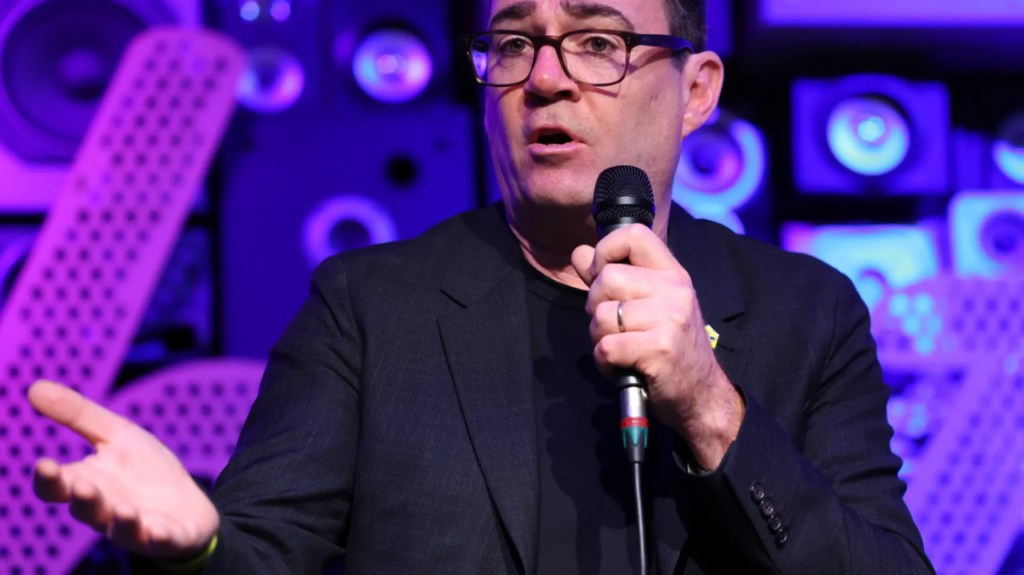
Andy Burnham enters Downing Street with an opportunity to show that real growth is not an abstract figure. It is the restaurant taking on an apprentice, the pub keeping its doors open, the music venue launching an artist and the night worker getting home safely. If he wants to prove that he is the Prime Minister to take Britain forward, his first 100 days should put hospitality and the night time economy at the heart of national renewal.
This is not a niche concern. Hospitality shapes town centres, supports tourism, creates first jobs and sustains supply chains stretching from farms to laundries. The night time economy includes bars and clubs, but also theatres, restaurants, taxis, hotels, security teams, cleaners and people working in health, logistics and manufacturing. When these businesses thrive, streets feel safer, places attract investment and communities gain reasons to gather.
He understands this better than most national politicians. In Greater Manchester, his administration developed a night time economy strategy focused on safety, diversity, workers, transport, regeneration and business support. It treated life after dark as an economic ecosystem rather than a licensing problem. The Bee Network strengthened that approach by bringing buses under local control, simplifying fares and expanding connections. Reliable late travel matters to customers, but it is essential for staff whose shifts finish after trains stop running.
That Manchester experience creates credibility, but it also raises expectations. Britain does not need every city to imitate Manchester. It needs national government to give local leaders the powers and resources to build plans around their own people, venues and transport networks. He can turn lessons from one city region into an opportunity for every town and city to develop a safer, more inclusive evening and night time offer.
The first signal will be his Cabinet. The Business Secretary, Chancellor, Culture Secretary, Transport Secretary and Housing Secretary must understand that hospitality policy cannot be divided into separate departmental boxes. A venue can survive strong demand and still close because of business rates, energy bills, staffing costs, licensing delays or poor transport. He should appoint ministers who will work together and establish a hospitality and night time economy council.
His first 100 days should deliver a clear plan for the cost of doing business. Operators need predictable taxation, meaningful business rates reform and an honest review of hospitality VAT. They need action on energy costs and late payment, plus planning and licensing systems. Businesses can adapt when rules are clear. What destroys confidence is constant change, short term relief and decisions announced without understanding narrow margins.
This is also inseparable from the cost of daily living. People cannot support restaurants, pubs, cinemas and live events when food, rent, energy and travel consume their income. Government should judge every economic decision by whether it restores confidence for households as well as businesses. Affordable public transport, secure housing, better wages and accessible childcare are hospitality policies because they give customers spending power and help employers recruit and retain staff.
Opportunity must extend to workers. Hospitality offers flexible entry into employment, but too many roles still come with uncertain hours, limited progression and unsafe journeys home. Ministers should promote better employers nationally, rewarding those that invest in training, security, wellbeing, fair treatment and clear career pathways for all their people. Higher standards should be matched with practical support, especially for independent businesses that lack the resources of major groups.
Safety deserves equal urgency. A successful night time economy must work for women, older people, disabled people, minority communities and those who do not drink alcohol. National support for coordinated policing, venue training, street lighting and late transport would help local areas create welcoming nights rather than simply busier ones. Success should be measured through safety, jobs, footfall, business survival and public confidence.
Government should also protect the cultural value that balance sheets miss. Small venues are where artists, chefs, promoters and entrepreneurs learn their craft. Once lost, they are difficult to replace. Planning rules should recognise important venues, while regeneration funding should help bring empty buildings back into productive cultural and hospitality use. Growth should create character, not erase it.
They must also recognise that fractured governance and policy made for the industry rather than with it have weakened trust. Businesses and workers need a seat at the table. His 100 day programme should name responsible ministers, set deadlines, publish progress and explain choices plainly.
Britain’s evenings and nights can be engines of growth and belonging. He has seen what joined up leadership can achieve in Manchester. His opportunity now is to help the whole country stay open, move safely and believe deeply in its places once again. Deliver that, and his first 100 days will feel less like a change at the top and more like a country coming back to life.