There’s something inherently revealing about the places we choose to spend our nights. From dimly lit underground clubs to rooftop bars with panoramic city views, the venues we frequent often speak louder than the words we use to describe ourselves. Nightlife, it turns out, isn’t just about music, drinks, or socialising, it’s a mirror reflecting our identities, tastes, and even aspirations. The music playing in the background, the layout of the space, the crowd, it all becomes part of a narrative we’re constantly telling about who we are.
Consider the person who gravitates towards intimate jazz lounges. They might be introspective, appreciating the artistry of live music and the nuanced conversations that emerge over candlelight. Someone drawn to sprawling EDM festivals, on the other hand, may thrive on energy, crowds, and sensory overload, valuing experiences that push boundaries and foster connection through movement. Even within similar genres, the choice of venue can say volumes, preferring a vinyl-only retro bar over a mainstream cocktail lounge signals not just taste, but values, curiosity, and a desire to stand out in subtle ways. In this sense, nightlife acts as an extension of personality, a curated environment where who we are outside is amplified inside.
Our nightlife choices reveal social preferences too. Do you prefer cosy bars where you can connect deeply with a few friends, or pulsating dance clubs where anonymity among the crowd is part of the thrill? Do you frequent venues that host open-mic nights or spaces dominated by celebrity DJs? Each setting provides a stage on which we enact the version of ourselves we want the world to see, while also aligning with the communities we feel most at home in. Nightlife is as much about belonging as it is about self-expression. Subcultures thrive in specific venues: goths in shadowy alternative clubs, house music aficionados in warehouse raves, cocktail connoisseurs in speakeasies. By choosing a scene, we are implicitly signalling our alignment with its values and aesthetics. This is identity performed and observed, a social dance where inclusion and recognition matter just as much as the drinks in our hands.
The nightlife landscape also mirrors societal hierarchies. VIP sections, dress codes, and exclusivity criteria shape who is allowed in and who isn’t. Navigating these spaces requires cultural literacy; understanding the right cues and codes becomes part of expressing the “right” version of yourself for that particular scene. In essence, nightlife is both a personal and social identity project, negotiated in real time with the people around us. Even the timing of when you arrive, early for a quiet drink or late for the peak party energy, can signal your approach to nightlife, your social confidence, or your desire to be seen in a particular light.
Nightlife offers a unique opportunity to experiment with identity. In the anonymity of a crowded club or the dim glow of a late-night bar, people can try on different facets of themselves, some authentic, some aspirational. University students exploring newfound independence, young professionals navigating social hierarchies, or older adults seeking to recapture youthful energy all find nightlife a fertile ground for self-reinvention. Digital culture has amplified this phenomenon even further. Instagrammable cocktails, curated playlists, and social media check-ins allow individuals to broadcast their nightlife choices as a form of identity signalling. Where you go and how you document it becomes a public extension of self-expression, blurring the lines between personal enjoyment and social performance.
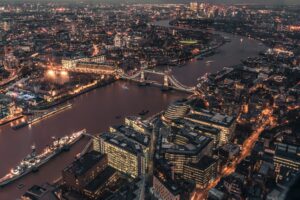
Location matters too. Nightlife in a small town carries different identity markers than nightlife in a cosmopolitan city. In sprawling urban centres, eclectic venues allow people to craft niche identities, goth one night, techno another, jazz the next, while smaller communities limit options, making attendance itself a statement of belonging or rebellion. The physical spaces of nightlife shape not only the experiences available but also the identities that are performable within them. Architecture, lighting, music selection, and even the city’s reputation all contribute to the story your chosen venue tells about you.
Nightlife is more than escape, it’s a cultural lens through which we see ourselves and our communities. Music, fashion, conversation, and atmosphere collide to create spaces that express ambition, risk, intimacy, and belonging in ways daylight never can.
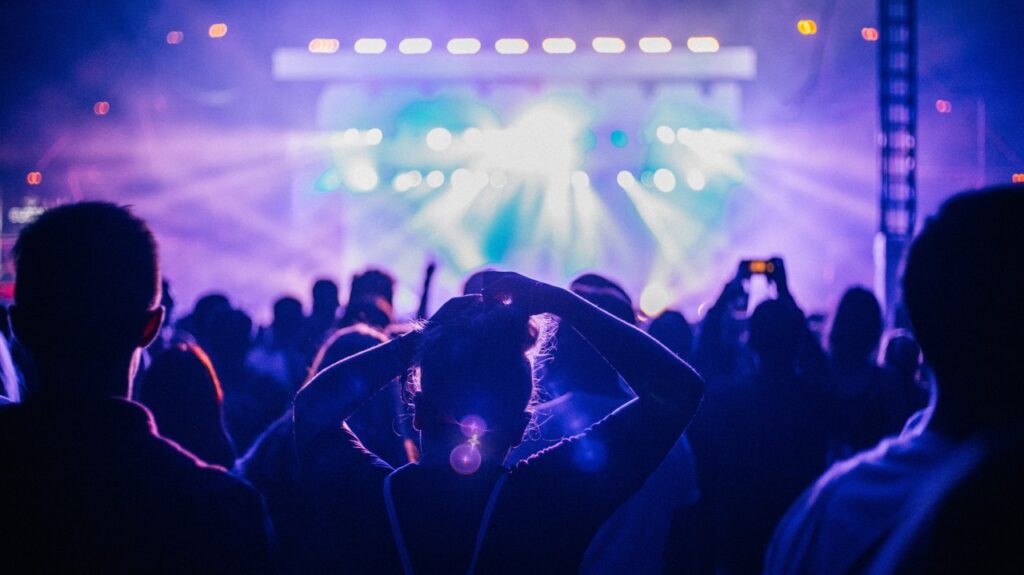
Every choice, from the local bar we return to each week to the festival we cross the country for, signals our taste, values, and sense of self. The crowd, the sound, the energy aren’t just background noise; they’re identity made visible, a social experiment in motion, a statement of belonging unfolding in real time.
In nightlife, spaces don’t just entertain us, they reveal us. And in the glow of strobe lights and heavy bass, we meet a slightly different version of ourselves with each night out.