When most people hear the phrase night-time economy, their minds leap to bars, clubs, and late-night eateries. Policymakers often associate it with noise complaints, policing costs, or anti-social behaviour. But beneath the neon lights lies an untapped form of health capital, one that supports physical, social, and mental well-being. The night-time economy is more than entertainment; it is a public health asset that society has yet to recognise in economic or policy terms.
Social connectedness is one of the most important determinants of health. Loneliness has been shown to increase the risk of premature death to levels comparable with smoking or obesity. Yet, while we readily invest in gyms, healthcare, and public health campaigns, we often overlook the role of nightlife in creating social bonds. Whether it is friends catching up at a comedy gig, a group of strangers connecting through music at a jazz bar, or young people dancing off stress in a club, nightlife fosters interaction in ways that daytime spaces cannot always replicate. For many, these environments provide a sense of belonging and community, powerful buffers against anxiety, depression, and isolation. If we viewed nightlife through the same lens as health interventions, these experiences could be seen as social prescriptions that keep people connected, engaged, and emotionally resilient.
Engaging with culture, listening to live music, attending theatre, or exploring art exhibitions, is consistently linked with improved well-being. Research shows that cultural participation can lower stress, enhance cognitive function, and even reduce the risk of dementia in later life. Yet the cultural activities that predominantly take place after dark are often dismissed as luxuries rather than necessities. Imagine if policymakers measured the mental health dividends of nightlife in the same way they calculate the economic value of creative industries. The cost of untreated mental illness to the NHS runs into billions each year. If cultural engagement through nightlife helps even a fraction of people avoid crisis care or long-term medication, the savings would be substantial.
Not all nightlife revolves around sitting at a table with a drink. Dance floors, live gigs, and even late-night walking tours encourage movement, which contributes to physical health. A night of dancing can burn as many calories as a session at the gym. Beyond calorie counts, physical activity in joyful, communal settings also boosts endorphins and reduces cortisol, the stress hormone that drives many chronic conditions. By framing nightlife as an opportunity for movement and release, society could recognise its contribution to combating sedentary lifestyles. Again, the health benefits translate into economic savings: fewer GP visits, reduced prescriptions, and a healthier, more active population.
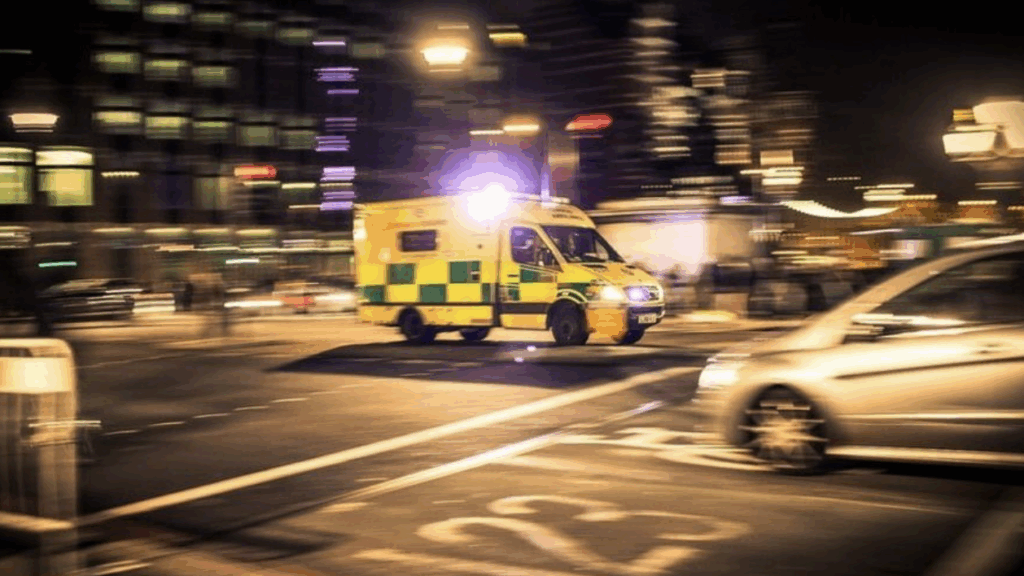
Part of the problem lies in perception. Nightlife is often framed in the media and policy circles as risky, indulgent, or even dangerous. Policymakers tend to focus on the costs, emergency services, licensing, noise complaints, without accounting for the long-term benefits. Health economics, meanwhile, traditionally measures the impact of interventions within clinical or medical settings, rarely considering leisure or cultural engagement as valid contributors. This narrow framing means we systematically undervalue the health capital generated after dark. While we can easily calculate the economic turnover of bars and restaurants, we struggle to quantify the mental uplift of a concert, the confidence built on a dance floor, or the friendships forged in a comedy club.
What if we could quantify the value of nightlife to health in monetary terms? What if, alongside the £153 billion contribution of the UK night-time economy, we could demonstrate a parallel NHS saving figure? A reduction in prescriptions for antidepressants, fewer admissions for stress-related illnesses, lower demand for social care in older adults who stay socially and culturally engaged. Such an approach would transform how we view the night-time economy. Rather than a sector that requires managing, it would be seen as an asset worth investing in, for health as much as for culture or commerce. It would make the case for supportive licensing laws, better transport infrastructure, and more inclusive late-night spaces.
The night-time economy is not just a marketplace; it is a health generator hiding in plain sight. By reframing nightlife as a public health partner, we can start to capture its full value. This means new research into health outcomes linked with cultural and social nightlife participation, and it means policymakers working with venues as part of a holistic approach to community well-being. If we can learn to see nightlife as more than leisure, if we can place a figure on its health dividends, the conversation around it will change. The NHS could save money, individuals could live healthier lives, and society could finally give nightlife the recognition it deserves: not as a problem to be managed, but as a cure to be celebrated.