Written by: Michael Kill, NTIA, CEO
Full Nightlife Article Newsletter series.
There was a time when going out meant surrendering to the extremes. The bass had to shake your bones, the lights had to blind, the night had to last until the sun rose. Clubs were designed as places of intensity, and anything less felt like you weren’t doing it right. But something new is quietly reshaping nightlife, and it’s less about excess and more about softness.
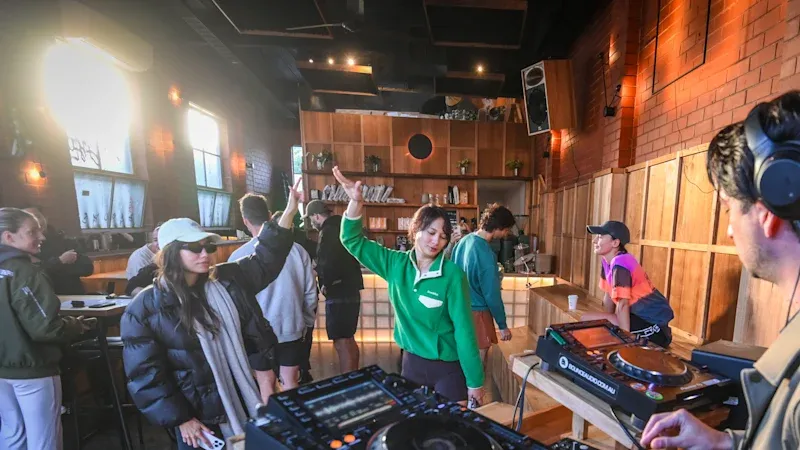
Soft clubbing doesn’t mean watered-down clubbing, nor does it mean stripping away the joy of the dance floor. It’s a reimagining of what a night out can feel like, shifting the focus from overstimulation to connection, comfort, and choice. It’s the freedom to dance if you want to, or to retreat into a corner with a mocktail and still feel part of the night. It’s music that fills a room without drowning conversation. It’s a pace that lets you leave at midnight without guilt or stay until dawn if that’s where the rhythm takes you.
In some ways, this feels like a natural cultural shift. More people are questioning drinking culture, leaning into wellness, and prioritising mental health. The rise of the “sober curious” movement suggests that not every celebration needs to revolve around alcohol. The idea of grinding through a night only to recover for two days afterwards doesn’t hold the same appeal it once did. For a generation shaped by conversations around balance, burnout, and mindfulness, soft clubbing offers an experience that feels sustainable, even nourishing.
But perhaps it’s not just culture driving this change. The softness in nightlife could also be a reflection of wider economic and environmental realities. Running a traditional club, long nights, high energy bills, multiple bars, sprawling sound systems, is increasingly expensive. Rising costs, staffing shortages, and even stricter licensing laws have pushed venues to rethink their formats. Shorter nights, smaller spaces, and hybrid events that blur into art installations or community gatherings are not only gentler for guests, they’re easier to sustain for owners. Soft clubbing, in this sense, might be less a lifestyle revolution and more a survival strategy.
Environmental pressures are another layer. Loud, high-energy venues come with a significant footprint: energy-hungry sound systems, intensive lighting rigs, and crowds reliant on late-night transport. In a world where sustainability is becoming non-negotiable, it makes sense that nightlife might turn softer, smaller-scale, multi-use, and less resource-heavy. A night that ends earlier, serves fewer alcohol-fuelled excesses, and creates spaces that can double as cultural hubs in daylight hours is not just kinder to people, but kinder to the planet.
So the question emerges: is soft clubbing the future of nightlife because people genuinely want it, or because it’s what the times demand? Is this gentleness a deliberate cultural turn, or a reflection of economic pragmatism and environmental necessity?
Maybe the answer lies somewhere in between. What’s striking about this shift is that it doesn’t reject the traditions of nightlife, it expands them. Soft clubbing still celebrates the communal power of music, still holds onto that pulse that makes a night out feel electric. But it widens the spectrum, acknowledging that not everyone wants or needs the same high-intensity release. It lets clubbing breathe, whether by cultural choice or by external pressure.
The future of going out may not be defined by louder, later, or harder, but by smarter, more thoughtful spaces. Nights where art and music coexist with rest, where inclusion is built in, where wellbeing and sustainability sit alongside hedonism instead of in opposition. And maybe that’s the most radical thing about softness, it doesn’t matter whether it was born of preference, economics, or necessity. What matters is that it redefines what celebration can mean, and in doing so, ensures nightlife has a future at all.