Written by: Michael Kill, NTIA, CEO
Full Nightlife Article Newsletter series.
The night-time economy has long been the lifeblood of cities, bringing vibrancy, culture, and economic prosperity to urban spaces. However, recent years have been tumultuous, with the cost-of-living crisis, changing consumer behaviours, and shifting policies impacting businesses, workers, and patrons alike. Yet, within every crisis lies an opportunity—a chance to rebuild, rejuvenate, and reshape the landscape of our night-time economy for the better.
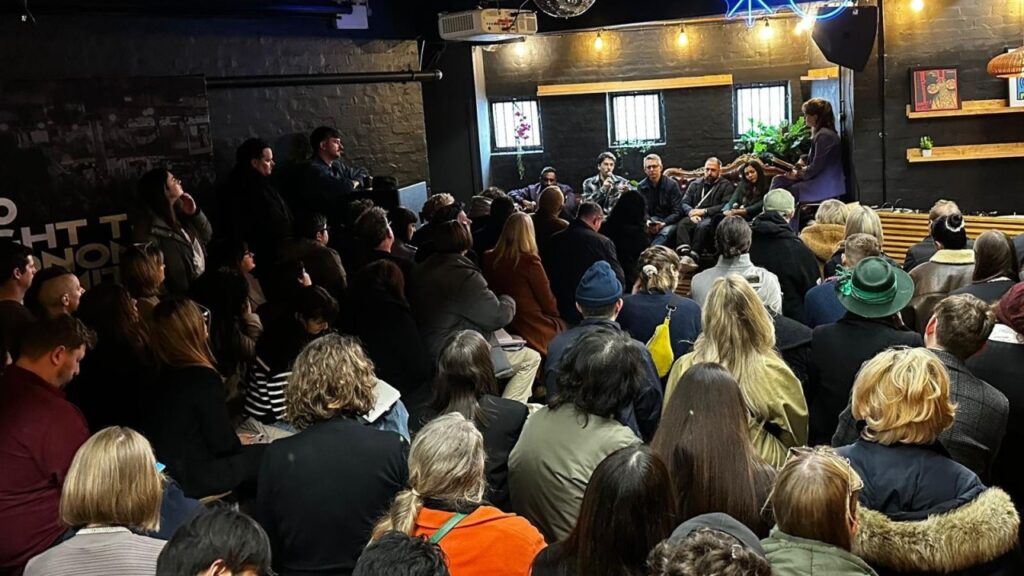
The recent Night Time Economy Summit 2025, held at Birmingham’s Hockley Social Club, brought together over 250 speakers and representatives from 20 countries, fostering a profound sense of community and collective determination to overcome current challenges. This summit reinforced the need for collaboration, innovation, and resilience, proving that the sector’s creativity will drive its recovery.
A significant theme was the emphasis on global collaboration. Philip Kolvin KC, in his keynote address, highlighted the importance of international partnerships, stating, “We have so much to learn internationally. NSW, for example, sets a shining example of how the will of people, creativity by our businesses, and authority of government can collaborate for the betterment of their NTE. This sentiment underscores the value of learning from successful global models to implement strategies that work at a local level.
Economic downturns often leave scars, but they also provide the perfect moment to reimagine and innovate. The night-time economy is no exception. Businesses, local councils, and entrepreneurs now have an opportunity to create more sustainable, inclusive, and community-driven experiences. By rethinking everything from operating models to venue designs, nightlife can emerge stronger and more adaptable than before.
The power of nightlife extends beyond mere entertainment—it plays a crucial role in fostering community and cultural identity. From grassroots music venues to late-night cafés, these spaces bring people together, offering a sense of belonging. The summit also addressed the pressing issue of grassroots music venue closures, with 125 venues shutting down in 2023 and one closing every two weeks in 2024.
Discussions revealed that these venues operate on razor-thin profit margins , underscoring the urgent need for intervention and support. Now is the time to invest in spaces that cater to diverse groups, ensuring that the night-time economy reflects the community’s needs and values.
For too long, the night-time economy has been associated with negative stereotypes—public disorder, excessive drinking, and noise complaints. However, it is much more than that. Nightlife fuels creativity, supports thousands of jobs, and contributes significantly to the economy. By advocating for policy changes and educating stakeholders, we can dismantle misconceptions and highlight the true value of a thriving night-time sector.
To withstand economic pressures, diversification is key. The future of nightlife isn’t just about clubs and bars—it’s about late-night markets, immersive art spaces, 24-hour work hubs, and wellness-focused night-time offerings. The event’s diverse range of topics, including queer spaces, sustainability, and drug testing, reflects a collective drive to create a more inclusive and resilient night-time economy By broadening what we define as the night-time economy, cities can attract new audiences and create a more resilient sector.
In times of crisis, reflection is essential. Businesses that analyse consumer trends, adapt to new technologies, and embrace flexible business models will be the ones that thrive. It’s an opportunity to reassess what works, what doesn’t, and where real growth potential lies. Insights from the summit pointed to the significance of global collaboration, learning from international examples of successful night-time economies, and implementing strategies tailored to local communities.
The road to recovery is challenging, but it’s important to recognise and celebrate wins—big or small. Whether it’s the reopening of a beloved venue, a surge in local support, or new collaborations between businesses, these moments signal progress and reinforce the importance of the night-time economy. The summit was a testament to this, with speakers and attendees sharing success stories that inspired optimism and action.
One of the most valuable lessons from any crisis is the power of collaboration. The night-time economy thrives when businesses, policymakers, artists, and communities come together. Stronger networks lead to shared knowledge, advocacy, and innovative solutions that benefit everyone involved. The summit reinforced the need for continued dialogue and action, ensuring that the momentum gained translates into meaningful change.
In conclusion, the Night Time Economy Summit 2025 exemplified the industry’s unity and proactive approach to navigating challenges. By embracing global collaboration, supporting grassroots initiatives, and addressing pressing issues, the night-time economy is poised for a transformative and prosperous future. With every crisis comes opportunity—it’s up to us to seize it and redefine what the night can be.