Written by: Michael Kill, NTIA, CEO
Full Nightlife Article Newsletter series.
Clubs are the beating heart of the UK’s cultural landscape. Names like Fabric, SubClub, Ministry of Sound, and Printworks are not just venues—they are cultural institutions. They are places where music, community, and creativity collide, shaping the sound and identity of modern Britain. Yet, despite their undeniable influence, they are left vulnerable and underfunded, unlike their counterparts in classical arts like opera and theatre, which enjoy extensive financial support and protections as National Portfolio Organisations (NPOs).
This disparity raises an important question: Why are clubs, which fuel contemporary culture and creativity, treated as less significant than more traditional forms of culture?
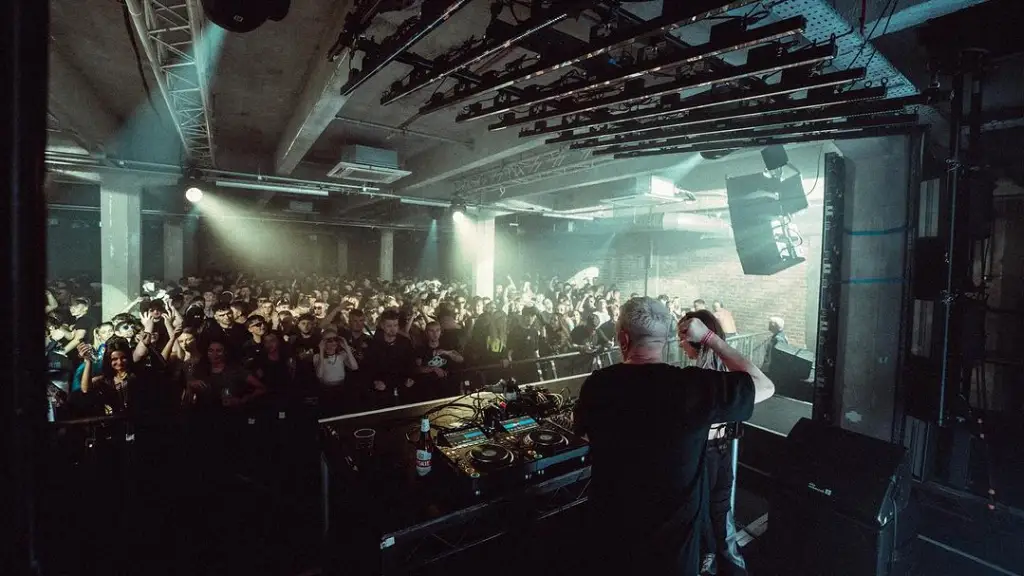
For decades, clubs have been incubators for cultural movements, pushing the boundaries of art, fashion, music, and social change. Venues like Fabric and SubClub are globally renowned for their contribution to electronic music, DJ culture, and the fostering of creative communities. They offer immersive experiences that go beyond music—embracing cutting-edge sound design, digital art, lighting, and performances that blend together to create something entirely new.
Electronic music, birthed in these very spaces, has become a global cultural force, influencing everything from mainstream pop to film scores. Yet, despite the clear and measurable impact of these spaces, clubs are not treated with the same reverence or given the same support as traditional cultural venues like opera houses or theatres.
The Arts Council’s National Portfolio funding, which is meant to support and protect institutions that represent the cultural life of the UK, is heavily skewed towards the “high arts”—opera, ballet, and theatre. While these art forms are undeniably valuable, the exclusion of venues or clubs from such funding frameworks ignores the reality of what modern culture is and where it is being shaped.
For instance, opera houses like the Royal Opera House or the National Gallery receive millions in public funding each year, ensuring their survival, growth, and ability to reach new audiences. These institutions are seen as pillars of “high culture,” deserving of state support. But clubs, despite serving as vital cultural institutions for younger, more diverse audiences, are often neglected. They are forced to rely on ticket sales, private investments, or, worse, navigate an increasingly hostile regulatory environment that threatens their very existence.
The question has to be posed: Why are these contemporary cultural spaces not seen as deserving of the same protections? Is it because electronic music, club culture, and the communities they foster are perceived as “less important” than classical culture?
The division between “high” and “low” culture is a false one. Culture is fluid, evolving, and multi-faceted. What was once considered “low” culture, like Shakespeare’s plays, is now celebrated as a cornerstone of British art. In the same vein, today’s clubs are no different from the theatres of the past—they are spaces where ideas, sounds, and experiences are shared, where the future of culture is being written.
In fact, clubs serve a function that is arguably even more democratic and inclusive than traditional venues. They welcome diverse communities, providing a space for people of all backgrounds to come together and connect through music. Whether it’s techno at Fabric or underground house at SubClub, these spaces reflect the true breadth of the UK’s cultural landscape. They offer affordable access to art, music, and performance in ways that opera houses and theatres simply do not.
Clubs are also essential drivers of the UK’s night-time economy. According to research from the Night Time Industries Association (NTIA), the night-time economy contributes £136 billion annually to the UK economy, employing millions of people across the country. However, the lack of financial support for clubs jeopardises this vital sector, leaving it vulnerable to closures, particularly in the face of challenges like gentrification, rising rents, and restrictive licensing laws.
When clubs close, it’s not just the loss of a venue—it’s the loss of a community, a creative hub, and an economic engine. The impact ripples out, affecting artists, DJs, producers, event staff, local businesses, and audiences. This is why the question of support is so critical. If we value creativity, innovation, and inclusivity in our cultural institutions, then clubs must be given the protections they need to survive and thrive.
To ensure the survival of clubs and the continued development of contemporary culture, the cultural funding landscape must evolve to reflect the full spectrum of British arts and culture. Clubs should be considered for National Portfolio Organisation status, allowing them access to the same protections, funding, and resources as opera houses and theatres.
Moreover, policy and planning decisions must take into account the cultural value of clubs, ensuring they are protected from the threats of gentrification and overzealous regulation. Clubs are just as integral to the UK’s cultural fabric as theatres or museums, and it’s time they were treated as such.
The music that resonates through the walls of Ministry of Sound or Printworks tells the story of our times, just as much as any opera. If we fail to recognise the cultural importance of these spaces, we risk losing a vital part of our national identity and creative spirit.
The time has come to question the outdated cultural hierarchy that places classical arts above contemporary ones. The contribution of clubs to our society is clear—they are hubs of creativity, diversity, and economic activity. Clubs or venues like Fabric, SubClub, Ministry of Sound, and Printworks deserve to be celebrated, protected, and funded in the same way that opera houses and theatres are.
Let’s not wait until it’s too late to recognise their value. It’s time to give clubs the support they need to continue shaping the culture of tomorrow.