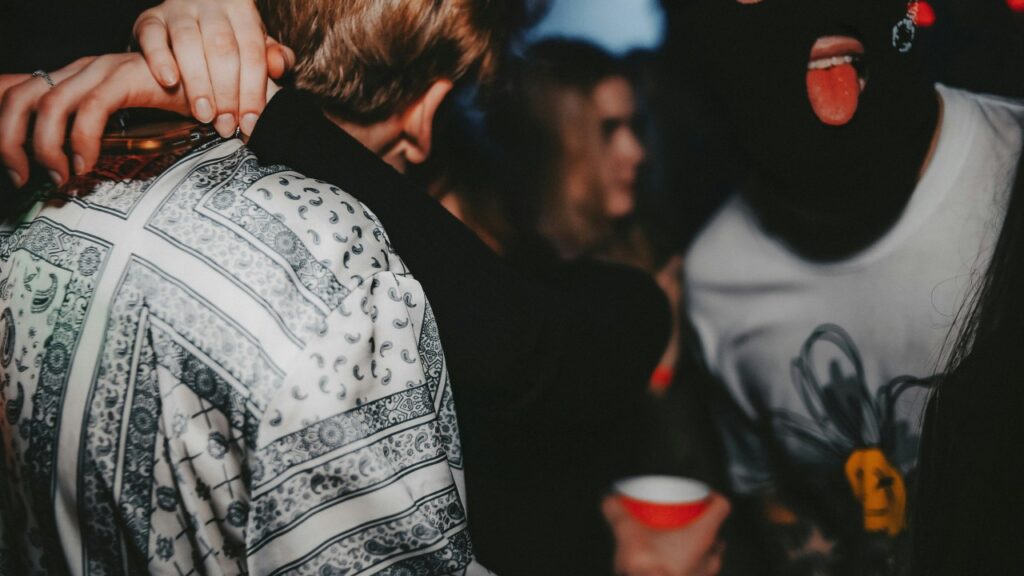
The party animal used to be a cultural archetype. Everyone knew one, or wanted to be one. The person who stayed out until sunrise, who knew every DJ in the city, who could move from bar to warehouse to afterparty without ever seeming tired. For a long time, nightlife functioned as a stage for this character. It rewarded excess, spontaneity, and a kind of chaotic charisma. But somewhere over the past decade, the party animal has quietly disappeared. Not vanished entirely, but faded into the background like a relic from another era.
Part of the shift is generational. Younger adults today drink less than previous generations, a trend that has been steadily growing across many countries. Nightlife still exists, of course, but the idea that weekends should revolve around losing yourself in a blur of alcohol, noise, and questionable decisions feels less central than it once did. Health culture has seeped into everything. People track their sleep, count their steps, and wake up early for Pilates or long runs. Hangovers now feel less like a badge of honour and more like an unnecessary tax on the next day.
Technology has also reshaped the social landscape in ways that quietly undermine the party animal’s natural habitat. The classic night out once thrived on unpredictability: you went out not knowing who you might meet or where you might end up. Now much of social life is pre-structured through group chats, dating apps, and curated events. Serendipity is harder to find when every social interaction begins with a notification and ends with a battery warning. Even the act of partying itself has become something to document rather than experience. A crowded dance floor now glows with phone screens capturing moments for stories that disappear in twenty-four hours.
Economic realities have played their role as well. In many cities, the cost of going out has risen dramatically. Drinks are expensive, entry fees are higher, and late-night transportation adds another layer of cost. What used to be a casual night of wandering between bars can now feel like a financial decision. When every round of drinks carries the weight of a small purchase, spontaneity loses some of its appeal. Staying in with friends, ordering food, or meeting earlier in the evening often feels like the more rational choice.
There’s also a growing cultural shift toward intentionality. For years, nightlife culture glorified chaos. The best nights were the ones you barely remembered. Stories of wild evenings carried social currency. But the idea of celebrating oblivion feels increasingly outdated in a world where people are more conscious of mental health, boundaries, and personal wellbeing. The party animal, by definition, lives on the edge of excess. Modern culture, however, is trending toward moderation.
This doesn’t mean people have stopped seeking connection or excitement. They simply find it in different ways. Instead of marathon nights out, many gatherings now revolve around dinners, small house parties, or daytime social rituals like brunch and coffee meetups. Music festivals still draw huge crowds, but even there the experience is more curated, more planned, and often more comfortable than the gritty warehouse scenes that once defined underground party culture.
Ironically, the mythology of the party animal still holds a certain romantic pull. Movies, music, and old stories preserve an image of nightlife as something raw and untamed. There is nostalgia for the era when cities felt like playgrounds after midnight and the night stretched endlessly forward. But nostalgia tends to simplify the past. Those nights were often exhausting, expensive, and occasionally dangerous. The mythology survives more vividly than the reality ever did.
Another factor is age itself. Many of the people who once embodied the party animal archetype have simply grown older. Responsibilities accumulate: careers, relationships, families, mortgages. The rhythms of life shift. Staying out until four in the morning becomes less appealing when the alarm rings at seven. What once felt thrilling eventually begins to feel repetitive. The party animal doesn’t necessarily die; it just evolves, trading chaotic nights for quieter forms of social life.
Yet it would be premature to declare those moments in nightlife completely dead. Cities still pulse with music and crowded bars every weekend. Clubs continue to open, DJs continue to tour, and young people still discover the thrill of their first late-night adventure. What has changed is the cultural centrality of the experience. Being the person who parties hardest is no longer widely admired. The spotlight has moved elsewhere.
Perhaps what we’re witnessing is not the death of the party animal, but the end of its dominance as a social ideal. The character hasn’t disappeared entirely; it simply no longer defines the cultural mood. In a world that increasingly values balance, productivity, and self-care, the archetype of endless excess feels out of step.
Still, every now and then, if you wander through the right neighbourhood at the right hour, you can glimpse the old spirit flickering in the background. A crowded dance floor, strangers laughing outside a bar at 2 a.m., the hum of a city refusing to sleep. The party animal hasn’t fully vanished. It’s just become a rarer creature, roaming the night in smaller numbers, part of a fading mythology that once defined how we imagined youth, freedom, and the endless possibilities of the weekend.