Nightlife is far more than what happens after dark. It is a living expression of a city’s identity, values and contradictions, played out in clubs, pubs, warehouses, streets and late night food spots. The way a city parties tells a story about its history, its people and its relationship with creativity, freedom and control. From the quiet hum of neighbourhood pubs to sprawling all night dance floors, nightlife is one of the clearest ways in which urban culture becomes visible, audible and tangible.
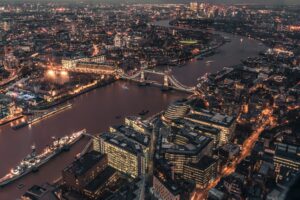
Every city has a distinct rhythm at night. In London, nightlife reflects the city’s global, fragmented character. There is no single centre of gravity after dark, but instead dozens of micro scenes shaped by class, ethnicity, music and geography. A basement jazz bar in Soho, a grime rave in south London, a queer club night in Dalston and a traditional pub closing early in the suburbs all coexist, sometimes uneasily. This diversity mirrors London itself: multicultural, sprawling and constantly negotiating space. The city’s nightlife has also been shaped by regulation, rising rents and gentrification, which have pushed many venues to the margins while simultaneously giving underground scenes a sense of urgency and resistance.
By contrast, cities like Berlin have built a global reputation almost entirely around their nightlife. Berlin’s club culture is inseparable from its post wall history, where abandoned buildings, cheap rents and a spirit of experimentation allowed electronic music and alternative lifestyles to flourish. The city’s famously permissive approach to clubbing, including late closing times and relaxed attitudes to dress and behaviour, reinforces an image of Berlin as a place where freedom and self expression are central to urban identity. Nightlife here is not just entertainment, but a form of cultural heritage, protected and promoted as part of the city’s economic and social fabric.
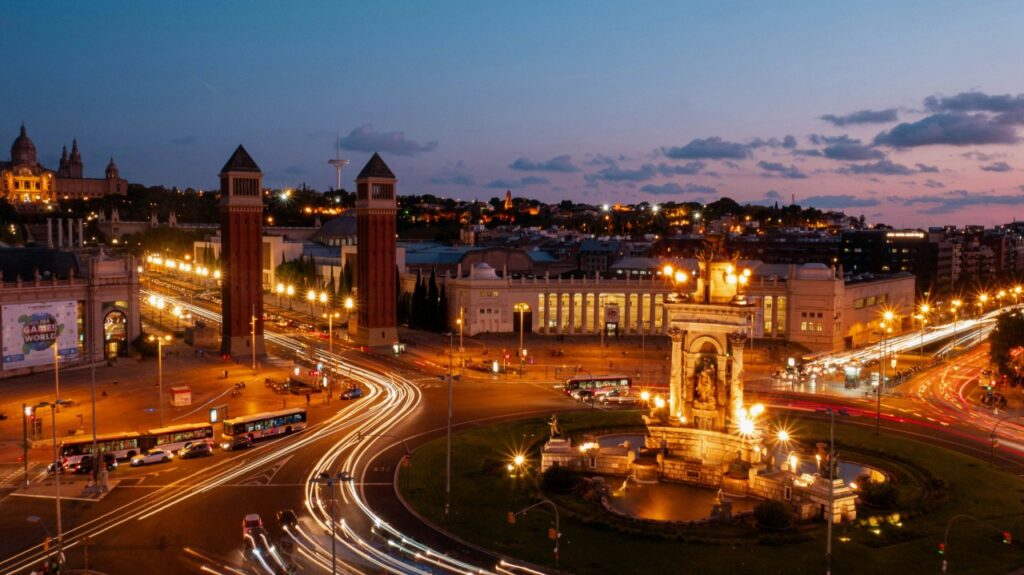
Southern European cities often party in ways that reflect their relationship with public space and community. In Barcelona, Lisbon or Naples, nightlife spills into streets and squares, blurring the line between socialising and partying. Drinking and conversation happen outdoors, and the night unfolds slowly, shaped by warm weather and late dining habits. This creates a nightlife that feels communal and accessible, but also raises tensions around noise, tourism and local life. As cities grapple with overtourism, nightlife becomes a battleground over who the city is for, residents or visitors.
In the UK, nightlife has long been tied to class and local identity. The pub remains a powerful symbol of British urban culture, functioning as a social anchor where friendships, politics and everyday life intersect. Yet the decline of independent pubs and the rise of chain venues have altered this landscape, sometimes stripping neighbourhoods of their distinctive character. At the same time, club culture, from northern soul to rave to drum and bass, has provided spaces where young people, particularly from working class and marginalised backgrounds, have shaped new identities and forms of belonging. These scenes often emerge in response to social pressures, economic hardship or political neglect, making nightlife a mirror of broader urban realities.
Nightlife also plays a crucial role in how cities are marketed and imagined. A vibrant night time economy is seen as a marker of modernity and cultural capital, attracting tourists, students and creative industries. City branding frequently leans on images of buzzing bars, neon lights and packed dance floors. However, this commercialisation can sanitise nightlife, favouring safe, profitable experiences over risky or subversive ones. As a result, some of the most influential nightlife cultures operate below the surface, in temporary spaces or informal networks that resist easy consumption.
Importantly, nightlife is not experienced equally by everyone. Gender, race, sexuality and disability all shape how people move through cities at night. For some, nightlife offers liberation and visibility, particularly in queer spaces or music scenes that centre marginalised voices. For others, the night can feel unsafe or exclusionary, shaped by harassment, policing or cultural barriers. How cities address these inequalities, through transport, licensing, policing and urban design, reveals whose identities are valued and protected after dark.
In recent years, there has been growing recognition that nightlife deserves serious attention in urban planning. The introduction of night mayors and night time strategies in cities like London and Amsterdam signals an attempt to balance economic growth with cultural preservation and residents’ needs. This acknowledges that nightlife is not a disposable extra, but a vital layer of urban life that contributes to wellbeing, creativity and social cohesion.
Ultimately, how cities party is about more than music and alcohol. It is about who gets to occupy space, express themselves and feel a sense of belonging. Nightlife distils the tensions and possibilities of urban living into a few intense hours, revealing the soul of a city when it lets its guard down. To understand a city, you need to see it in the daylight, but to feel it, you have to experience it at night.