Nightlife has always been about the thrill of the unexpected, the unplanned detour that turns a quiet evening into an unforgettable adventure, the last-minute invitation that leads to stories retold for years. Yet, in an era dominated by technology, that sense of spontaneity seems to be slipping through our fingers. Smartphones, social media, and location-based apps have made planning every aspect of our social lives easier than ever, but at what cost? As we increasingly rely on technology to guide our nights out, we may be inadvertently killing the very unpredictability that makes nightlife so vibrant.
Twenty years ago, a night out was a blank canvas. Friends would meet at a local pub and decide in the moment whether to go to a club, try a hidden speakeasy, or simply wander the streets and see where the night took them. In cities like London, Manchester, or Edinburgh, the streets were full of possibility. Perhaps a friend would spot a flyer for a secret warehouse party tucked behind a coffee shop in Shoreditch, or stumble across a late-night jazz set in a tiny basement bar in Camden. In Manchester’s Northern Quarter, a casual stroll might lead to a pop-up art show or an impromptu DJ set in a converted warehouse, while in Bristol, the smell of street food from a late-night market could draw you into an unplanned, unforgettable gathering. These unplanned discoveries often became the stories people told long after the night had ended.
Now, many nights are meticulously curated events. Social media platforms flood our feeds with suggestions: “Trending bars nearby,” “Live DJ sets tonight,” or “Popular brunch spots for tomorrow morning.” Event apps, ride-sharing services, and group chats mean that almost every detail, from the time to leave, the route to take, and even the outfit to wear, is considered in advance. While planning has its perks, smoother logistics, fewer missed events, and the ability to share experiences with friends, it also reduces the room for serendipity. The surprise encounter, the spontaneous dance in a corner of a dimly lit club, or the accidental discovery of a new favourite haunt is becoming increasingly rare. Technology has made nights out more efficient but, in the process, less magical.
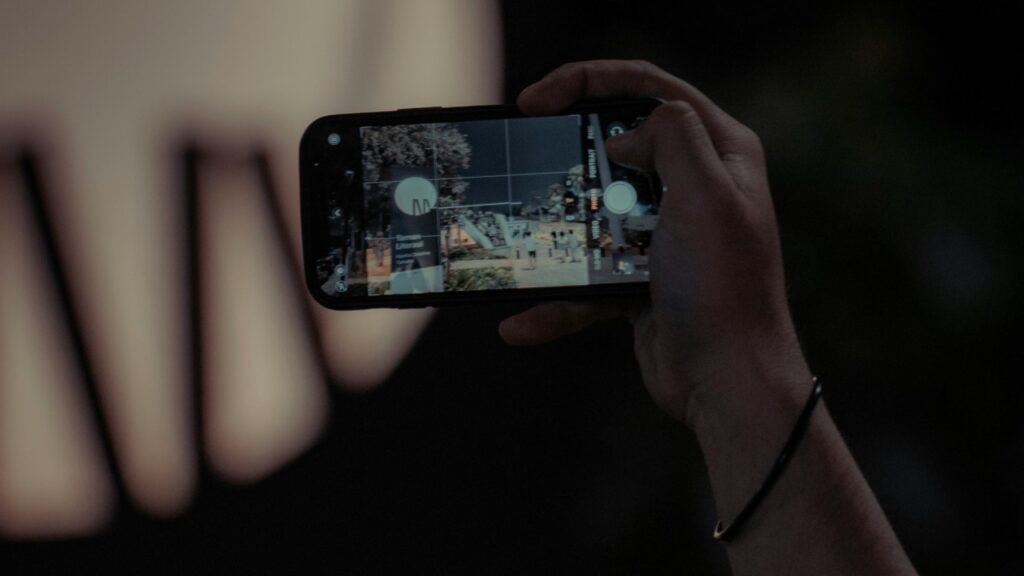
The omnipresence of social media has also shifted the way we experience nightlife. Platforms like Instagram and TikTok encourage us to curate our evenings, prioritising photo-worthy moments over genuine enjoyment. Instead of being present in the club or pub, people are often thinking about the perfect angle for their post or how many likes they’ll get. Even a casual pint in Soho or a stroll along the South Bank can feel choreographed rather than spontaneous. Self-consciousness discourages impulsive decisions, nobody wants to wander into a quirky, unplanned bar without the guarantee of capturing a shareable moment. The joy of improvisation, the thrill of letting your night unfold naturally, is increasingly being replaced by the pressure to perform.
Convenience apps that streamline nightlife, such as booking tables, ordering taxis, or checking reviews, have revolutionised the way we plan our evenings. Yet they also remove elements of chance. The thrill of wandering aimlessly through the city streets, discovering an underground gig or a pop-up art installation, is diminished when algorithms dictate what is “worth your time.” Even dating apps, often used to meet people spontaneously in bars or clubs, reduce real-life serendipity. Connections that once happened organically are now filtered, scheduled, and planned, making every interaction feel premeditated. Nights that once relied on energy, mood, and chance encounters are increasingly replaced by structured itineraries, leaving little room for the kind of surprises that make nightlife unforgettable.
This shift from spontaneous to curated experiences carries psychological consequences. Spontaneity fosters creativity, strengthens bonds through shared adventure, and encourages people to step outside their comfort zones. When technology dictates our nightlife choices, we may be limiting these opportunities. Nights out become predictable, repetitive, and less adventurous, potentially reducing overall satisfaction. The streets of cities that once buzzed with unexpected energy are now mapped, scheduled, and filtered through apps that promise efficiency over excitement. Even the music scene is affected; underground DJs and pop-up gigs struggle to attract audiences when attendees prefer the predictability of booked events promoted online.
This is not a call to abandon technology entirely, after all, it has made our lives easier and safer, but rather a reminder to reclaim the joy of unplanned moments. A conscious decision to leave parts of the evening unplanned, to silence notifications, or to take a detour from the usual hotspots can restore spontaneity. The thrill of nightlife lies not only in the destination but in the journey, the detours, the chance encounters, the unexpected music that sweeps you off your feet. Wandering into an unassuming pub in Bristol and discovering a live folk band, stumbling upon a late-night street food market in Newcastle, or dancing alongside strangers in an unadvertised warehouse rave in East London, these are the experiences that remind us why nightlife has always been so intoxicating. Even smaller moments, like striking up a conversation with a stranger in a quiet Manchester alleyway that leads to an impromptu pub crawl, hold the potential for memories that no pre-planned itinerary could provide.
In the end, technology need not be the enemy of spontaneous fun, but it requires mindfulness. By intentionally leaving room for unpredictability, we can ensure that our nights remain full of surprises, laughter, and those irreplaceable stories that make nightlife truly unforgettable. Some of the best nights out are the ones you never saw coming, and while apps and algorithms can guide us, they can never replace the magic of a night shaped by chance, curiosity, and courage. Embracing unpredictability, even in a digital age, allows nightlife to reclaim its soul, reminding us that sometimes the best memories are those we never planned to make.