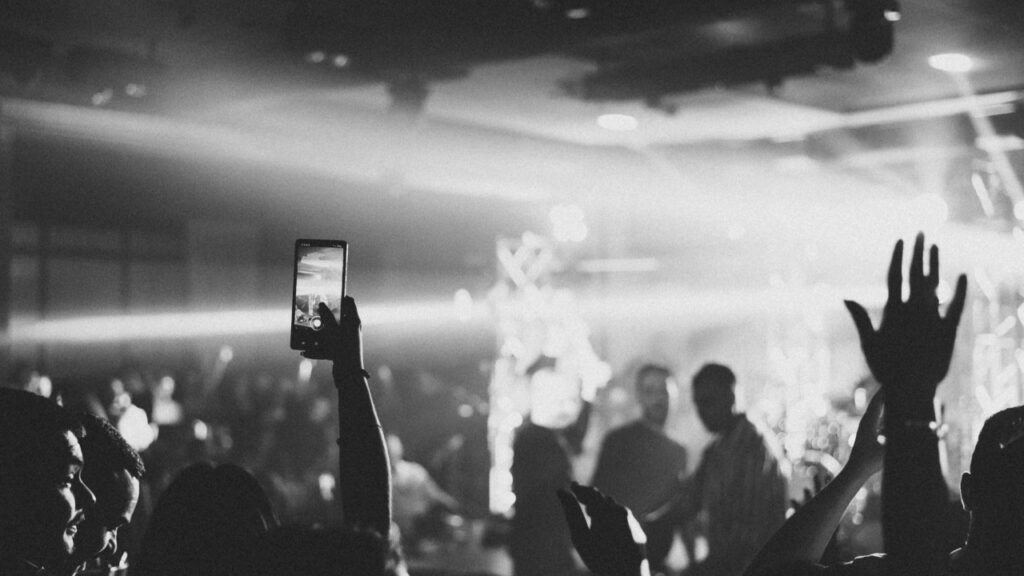
Nightclubs have long been synonymous with pulsating music, neon lights, and the sense of freedom that comes from losing oneself in the crowd. Yet beneath the apparent chaos of flashing lights and immersive sound lies a carefully constructed social experiment. Every nightclub is a laboratory in human behaviour, with layouts designed to subtly manipulate how people move, gather, and interact. What might appear to be a spontaneous experience is, in reality, the product of meticulous architectural and psychological planning, shaping both the energy of the space and the social dynamics within it.
At first glance, a nightclub may seem like a purely functional space, designed only to accommodate dancers, bars, and seating areas. However, designers approach these environments with a deep understanding of psychology, crowd dynamics, and sensory perception. Lighting, furniture, floor elevation, and even the width of corridors are tools used to influence behaviour, often without the patrons even noticing. Dimly lit corners with clusters of seating can encourage intimacy and private conversation, while wide, open dance floors foster a sense of collective energy and excitement.
Designers know that people are naturally drawn to social hubs, such as bars, stages, and VIP areas, and the careful placement of these features orchestrates where crowds gather, how they circulate, and who they encounter. Crowd flow is an essential element of nightclub design. It is not merely a matter of safety, but also a subtle method of guiding social interaction and maximising the overall experience. Pathways are carefully planned to lead patrons toward high-energy or high-revenue areas. A winding corridor that gradually reveals the main dance floor heightens anticipation, turning the journey through the club into a psychological experience.
Strategic bottlenecks may appear inconvenient, but they slow movement just enough to encourage chance encounters and mingling. In essence, the physical layout becomes an experiment in human behaviour, shaping how people interact while maintaining a smooth and controlled flow. Nightclubs are usually divided into distinct zones, each designed to elicit specific behaviours. The dance floor is a high-energy environment where collective movement and shared excitement dominate.
Lounges, booths, and VIP sections, on the other hand, foster smaller, more intimate gatherings. Transitions between these areas are carefully considered. A narrow passage from the dance floor to a lounge creates anticipation, making the quieter space feel exclusive, while lighting and acoustic cues signal changes in energy and atmosphere. In this way, patrons are guided both physically and psychologically, creating a dynamic ecosystem of social interaction within the club.
Lighting, acoustics, and even scent play a central role in influencing behaviour. Light can define space, emphasise intimacy, or create a sense of expansiveness. Subtle colour gradients can alter mood and perception, while the strategic use of shadows and illuminated pathways can guide people through the venue. Sound is equally critical; music is directed to energise the dance floor while softer areas allow conversation, creating a multi-layered auditory landscape.
Even the faintest olfactory cues, scented entrances or bar areas, can influence mood and linger in memory, reinforcing the social experience. These sensory manipulations work in tandem with the physical layout to control movement, interaction, and engagement, often on a subconscious level.
Some venues push the boundaries further by experimenting with adaptive layouts. Modular furniture, movable partitions, and flexible bar spaces allow the environment to transform in real time, testing how different configurations affect behaviour. Such changes can influence everything from crowd density to conversation patterns, effectively turning the club into a live social experiment. Designers can observe how people respond to new layouts and adjust elements to enhance experience, energy, or even commercial performance.
Famous clubs around the world demonstrate the power of layout in action. Venues like Berghain in Berlin or Fabric in London are lauded not just for their music, but for how their spaces manipulate flow and interaction. Long queues and narrow entryways create exclusivity and anticipation, while expansive dance floors and tiered seating allow for both immersion and observation.
Patrons naturally gravitate to certain areas, yet movement is never chaotic, the architecture subtly nudges the crowd in predictable, yet psychologically stimulating ways. Interestingly, the principles behind nightclub design are increasingly applied in other areas of life. Retail stores, coworking spaces, and even airports borrow lessons from the nightclub playbook, using layout, lighting, and flow to influence behaviour, engagement, and perception. Nightclubs, in this sense, serve as laboratories for studying human behaviour in dense, dynamic environments, offering insights that extend far beyond nightlife.
Next time you enter a nightclub, it is worth pausing to observe not just the music or the crowd, but the environment itself. Every bar, corridor, seating area, and stage has been carefully positioned to guide your movements, encourage interactions, and shape your experience. What may feel like spontaneous social engagement is often the product of precise design, where psychology, architecture, and sensory manipulation intersect. In this way, nightclubs are more than venues for entertainment, they are orchestrated social experiments, exploring how humans behave, connect, and move within space. Each visit is an invitation to participate in this experiment, whether consciously or not, revealing the fascinating ways that design can shape social experience.