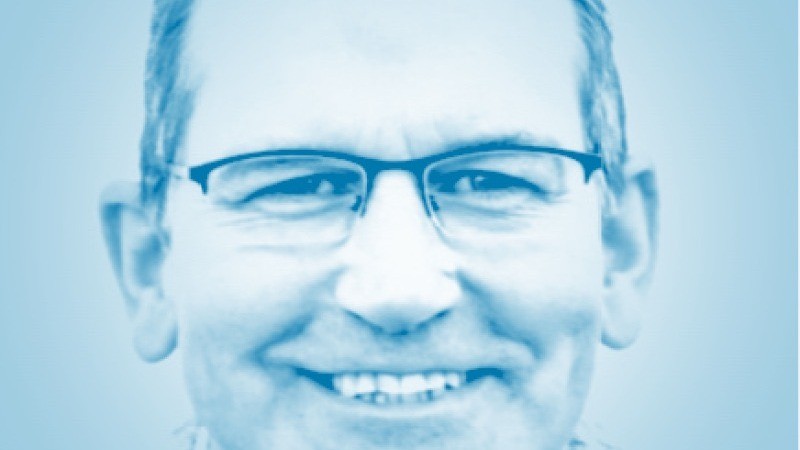
Guest Blog by Robert Shepherd Clinical Audiologist / Chair WHF Sub Group on Venues
When I look back over more than forty years in audiology, it’s not the milestones or the titles that come to mind first. It’s the people. The conversations in clinic rooms. The moments where someone sits across from you, exhausted, trying to explain a sound that no one else can hear. That’s where this journey really began for me.
I started my career as a clinical audiologist, focused on diagnosis and rehabilitation. Like most people entering the profession, I wanted to help. It was practical, grounded work, and it mattered. But very early on, a pattern began to emerge that I couldn’t ignore. Again and again, I was seeing the consequences of excessive sound exposure. Not in theory, but in real lives. And what struck me most was that so much of it could have been prevented.
Tinnitus, in particular, left a lasting impression on me. It’s difficult to truly understand unless you’ve experienced it or worked closely with those who have. It’s not just a sound, it’s an intrusion. A constant presence that can wear people down in ways that are hard to articulate. I remember patients who were so overwhelmed by it that they felt they had no way forward. Those conversations stay with you. They force you to think beyond treatment and toward prevention, because once that damage is done, there are limits to what we can fix.
As the years went on, I became increasingly uncomfortable with the tools we were relying on. Pure-tone audiometry was the standard, and in many ways it still is, but it often didn’t align with what people were telling me. Patients would describe real difficulties, struggling in noisy environments, dealing with sensitivity or ringing, yet their test results would come back as normal. They’d be told there was no clear explanation. That never felt right to me.
I began to suspect that we were missing something. That damage was occurring long before it became visible on a standard audiogram. Long before the term “hidden hearing loss” entered wider discussion, I was convinced that the problem wasn’t always the ear we were measuring, but the limitations of how we were measuring it.
That belief led me into working with otoacoustic emissions in the early 1990s. It felt like a shift in perspective. Instead of waiting for hearing thresholds to deteriorate, we could start to see the early signs of stress and damage within the auditory system. It opened up the possibility of acting sooner, of identifying risk before it became irreversible. For me, that was a pivotal moment. It changed how I thought about hearing conservation entirely.
Around the same time, my work began to move beyond the clinic. I found myself increasingly frustrated with how hearing conservation was approached in industry. Too often it was fragmented, reactive, and overly reliant on basic hearing protection without addressing the bigger picture. Providing earplugs or earmuffs was seen as enough, but without education, without motivation, without proper monitoring, it rarely led to meaningful change.
So I started working more directly with different sectors, travelling to offshore drilling platforms, manufacturing sites, and production environments across the UK. These were places where noise was simply accepted as part of the job. But what became clear was that hearing conservation had to be more than just equipment. It needed to be a structured, ongoing process built around understanding risk, encouraging behaviour change, and consistently monitoring hearing health over time.
Then, somewhat unexpectedly, motorsport entered my world. By the late 1990s, I was working with teams in rallying, touring cars, and Formula One. It was a completely different environment, fast-paced, high-pressure, and incredibly loud. I began by providing communication earpieces, but it quickly became apparent that there was a much bigger conversation to be had about noise exposure.
Being invited to speak at the FIA Foundation’s inaugural safety summit in 1999 was a defining moment. My presentation, Falling On Deaf Ears, was an attempt to highlight a risk that had largely gone underappreciated. From there, I was asked to investigate further, to look at drivers, engineers, marshals, and team personnel, to understand the full scope of exposure across the sport.
I spent time in factories, at test days, and at races, working with individuals like Jenson Button, Damon Hill, and Mark Webber. What became clear was that the same principles applied regardless of the environment. Without a comprehensive approach that combined risk assessment, effective protection, health surveillance, education, and ongoing engagement, hearing damage was inevitable.
While motorsport brought visibility to the work, my attention increasingly turned toward music and live events. Throughout my career, one group consistently stood out as being at significant risk, musicians and those working in the live entertainment industry. Unlike many other sectors, their exposure wasn’t just frequent, it was central to their identity and their craft.
This is where the journey became more personal again. Music and nightlife are about experience, connection, and energy. The idea of reducing sound can feel counterintuitive in that world. But what I’ve come to understand is that hearing conservation isn’t about diminishing the experience, it’s about preserving it. It’s about ensuring that the people who create and enjoy these moments can continue to do so without long-term harm.
Over the years, I’ve had the opportunity to work alongside organisations, academics, and industry professionals to explore more holistic approaches to hearing conservation. This has included contributing to national strategies, collaborating with the Health and Safety Executive, and engaging in discussions with government and international bodies. Being involved with the World Health Organisation and contributing to global standards for safe listening has been both a privilege and a responsibility.
More recently, working with the Night Time Industries Association on the Listen For Life initiative has felt like a natural culmination of everything that came before. It brings together decades of learning into something practical and forward-looking. It’s not just about setting guidelines, it’s about changing culture. Helping people understand that protecting hearing is not a limitation, but an essential part of sustaining the industry itself.
In 2025, being asked to lead the World Hearing Forum workstream responsible for implementing the WHO Global Standard for Safe Listening Venues and Events was a moment of reflection for me. Not because it marked an end point, but because it reinforced how far the conversation has come. What was once overlooked is now being recognised as a critical issue on a global scale.
Despite all of this, I’ve always tried to stay grounded in the clinical realities that started it all. At the heart of this work are individuals. People whose lives, relationships, and careers can be profoundly affected by hearing damage. That’s what continues to drive me.
From clinic rooms to offshore platforms, from Formula One paddocks to nightclubs and concert halls, the journey has taken me into some of the loudest environments imaginable. But the message has remained the same. Hearing loss and tinnitus are not just inevitable consequences of sound. In many cases, they are preventable.
After four decades in sound, I still believe that the most important thing we can do is listen. Not just to the music, or the engines, or the crowd, but to the warning signs. Because once you truly hear them, it becomes impossible to ignore the responsibility we all share in protecting hearing for the future.