For decades, the underground scene has existed just beneath the surface of mainstream nightlife. Hidden in basements, warehouses, DIY venues and temporary pop-ups, it continues to thrive despite changing trends, regulations and rising costs. While commercial nightlife constantly evolves to meet market demand, the underground scene has remained remarkably resilient. It may shift locations, change formats, or adapt to new technologies, but it never truly disappears.
At its heart, the underground scene survives because people crave authenticity. Large commercial clubs and branded venues often follow a familiar formula designed to appeal to the widest audience possible. The music is predictable, the production is polished, and the experience is carefully packaged. In contrast, the underground scene prioritises creativity and freedom. DJs play experimental sets, artists push new sounds, and organisers focus more on atmosphere and community than profit margins.
Many of the most influential music movements in modern culture were born within underground scenes. Chicago house developed in small late-night warehouse parties. Detroit techno emerged from underground clubs where artists experimented with futuristic sounds. In the UK, the rave movement exploded in the late 1980s and early 1990s through illegal countryside gatherings and secret warehouse events. More recently, genres like dubstep and grime were shaped in intimate venues and grassroots events before reaching global audiences. The underground scene acts as a cultural testing ground where new ideas can evolve without the pressure of mainstream expectations.
Part of the appeal of the underground scene is the sense of discovery that comes with it. Unlike traditional nightlife venues that advertise heavily, underground events often rely on word of mouth, niche communities and trusted networks. Sometimes the location is shared only hours before the event begins. Other times, it spreads through private messaging groups or small online communities. That sense of secrecy creates anticipation. When people finally arrive, there is an immediate feeling of shared purpose, everyone made the effort to find the same place.
Technology has changed how underground scenes organise themselves, but it has not weakened their spirit. Messaging apps, encrypted chats and social media groups now play the role that flyers and phone calls once did. Organisers can quietly promote events within trusted circles while still maintaining a sense of exclusivity. Location drops, digital guest lists and last-minute announcements have become part of the modern underground playbook. In many ways, technology has made underground communities even more connected.
Ironically, city regulations and urban development often help fuel underground scenes rather than eliminate them. When licensing restrictions tighten or iconic venues close due to redevelopment, organisers are forced to find new spaces. Empty warehouses, railway arches, artist studios and temporary venues become the next dance floors. This constant movement keeps the scene dynamic and unpredictable. Every time one space disappears, another emerges somewhere else.
The underground scene has also historically provided a home for communities that felt excluded from mainstream nightlife. LGBTQ+ communities, experimental artists, independent musicians and alternative creatives have long found refuge in underground spaces. These environments encourage self-expression and individuality without the social pressures often present in larger commercial venues. Many cultural and social movements have grown from these spaces where people could gather freely and share ideas.
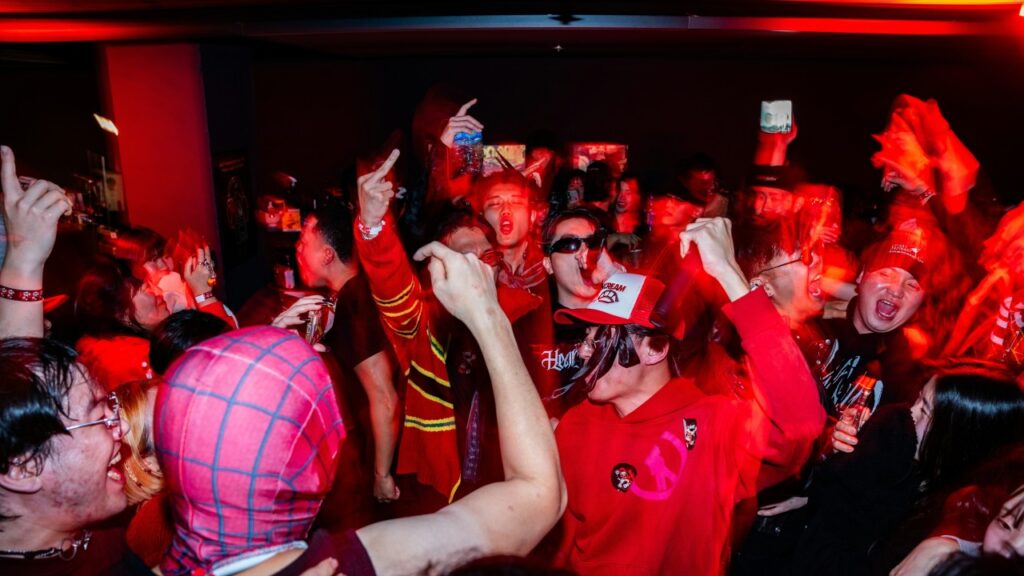
Another key element that keeps the underground scene alive is the atmosphere itself. Underground events often feel raw and unfiltered. The lighting may be improvised, the venues unconventional, and the sound systems sometimes imperfect. But these imperfections often contribute to the energy. A packed room with a powerful DJ set and a crowd fully immersed in the music can create an atmosphere that feels electric. The experience becomes less about spectacle and more about connection.
Mainstream nightlife frequently tries to capture this same energy by marketing “secret parties” or “warehouse-style events.” While these experiences can still be enjoyable, they often struggle to replicate the genuine spontaneity that defines underground culture. Once something becomes highly commercialised and predictable, it inevitably loses some of the magic that made it exciting in the first place.
What makes the underground scene truly enduring is its ability to evolve. Each generation reshapes it in new ways. The DIY punk venues of the 1970s, the rave collectives of the 1990s, and today’s hybrid music and art spaces all share the same underlying philosophy, independence, experimentation and community. The formats may change, but the mindset remains the same.
Even in cities where nightlife faces increasing challenges due to rising rents, stricter licensing laws or changing social habits, underground scenes continue to find ways to adapt. Events may move to different neighbourhoods, operate as pop-ups, or form around smaller communities rather than large crowds. The scene becomes more flexible rather than disappearing.
Ultimately, the underground scene survives because it represents something deeper than entertainment. It offers freedom, creativity and the opportunity to experience culture in its most immediate form. It allows artists to experiment, communities to form and audiences to discover something new.
As long as people continue to search for authentic experiences, new music and spaces that challenge the mainstream, the underground scene will continue to exist. It may operate quietly, constantly changing shape and location, but its influence on culture and nightlife will never fade.