I was recently invited to speak at DISPAX in Lisbon, where I had the opportunity to present to more than 100 airlines about a topic that, at first glance, sounds slightly unusual: what aviation can learn from nightclubs when it comes to alcohol and antisocial behaviour. Preparing for that talk forced me to think about two environments that seem worlds apart, commercial aircraft and nightclubs, and yet share some surprisingly similar ingredients. The more I explored the comparison, the clearer it became that these two spaces reveal something important about how environment shapes behaviour.
At 30,000 feet on a commercial aircraft and at 3am on a crowded nightclub dancefloor, the starting conditions are remarkably similar. The same humans are present, with the same biological capacities for judgement, impulse control and aggression. The same alcohol is often involved, a depressant affecting the central nervous system and lowering inhibition. The same potential exists for confrontation, violence and loss of control.
Yet the outcomes are dramatically different.
Disorder, confrontation and impulsive behaviour are relatively common in nightlife settings. In contrast, serious disruptive incidents on aircraft remain rare despite thousands of passengers flying after drinking alcohol every day. The question isn’t really who behaves badly. It’s where, and why.
Human behaviour does not occur in isolation. It emerges from the interaction between people and the environments they inhabit. The spaces we design don’t just host behaviour; they actively shape it, amplify it or suppress it. In effect, every environment acts as a container that channels human impulses in particular directions.
Nightclubs and aircraft represent two very different behaviour containers.
Nightclubs are environments of voluntary chaos. People go there specifically to escape everyday restraint, to socialise, celebrate and often lose control. Loud music, darkness and crowd density create sensory overload. Alcohol sits at the centre of the experience and is commercially incentivised. Energy escalation is normalised, sometimes even celebrated, and physical boundaries blur on packed dancefloor where strangers share space.
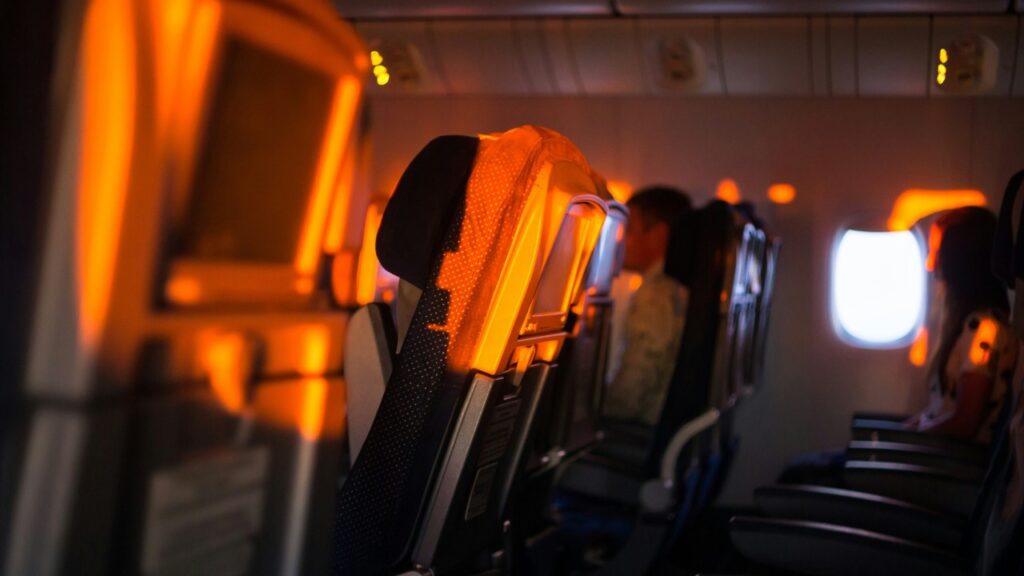
Aircraft operate under almost the opposite design logic. Passengers enter an environment built around compliance, safety and clear authority structures. Lighting is bright, visibility is constant and communication from crew is structured and audible. Alcohol may be available but it is incidental to the service model. Every passenger has an assigned seat, creating defined personal territory. Hierarchy is explicit, with the captain representing ultimate authority and cabin crew empowered to enforce rules.
The behavioural shift begins before the first drink is even poured. Crossing the threshold into a space primes people psychologically.
Entering a nightclub often triggers a transition into what many would recognise as “night out mode”. Daily responsibilities fade. Identity becomes more performative. Appearance, group dynamics and visibility matter. Reduced inhibition is expected and even encouraged as part of the cultural script of nightlife.
Boarding a plane creates a completely different psychological frame. The process begins with queues, boarding groups and instructions. Passengers adopt a transactional mindset focused on reaching their destination. Safety briefings reinforce a sense of seriousness and collective responsibility. The shared norm becomes simple: follow the instructions and don’t cause problems.
Environmental conditions then reinforce those expectations. Nightclubs intentionally generate stimulation. Loud music limits verbal communication, forcing people closer together to talk. Low lighting reduces facial recognition and empathy cues. High crowd density eliminates personal space and normalises physical contact. Together these factors increase impulsivity and reduce self-monitoring.
Aircraft environments produce the opposite effect. Clear lighting maintains visibility and accountability. Assigned seating reinforces boundaries. Communication from crew is structured and audible. Passengers remain aware that their behaviour is visible and traceable.
Authority structures also differ dramatically. In nightclubs, security staff are visible but often peripheral to the experience. Their role tends to be reactive, stepping in once problems escalate. Social hierarchies among patrons remain fluid and contested.
On aircraft, authority is explicit and uncontested. The captain holds ultimate command and cabin crew possess legal powers to restrain passengers if necessary. Aviation law backs this authority with serious consequences. When authority is visible, legitimate and certain, compliance becomes the default behaviour.
Alcohol’s role within each environment also matters. In nightlife venues alcohol is not just available; it is the commercial foundation of the experience. Revenue depends heavily on beverage sales, creating incentives to encourage consumption. Drinking becomes performative and social, signalling participation and group belonging.
In aviation, alcohol is an optional add-on rather than the core product. Airlines make their money transporting passengers, not selling drinks. Cabin crew can refuse service without undermining the business model, and there is little cultural expectation to drink in the first place.
The audience effect also plays a role. Human behaviour is strongly influenced by the reaction of those around us. In nightlife environments, crowd energy can amplify behaviour. Visibility and boldness may attract attention, and confrontation can sometimes become a form of social performance.
On aircraft the audience effect works in reverse. Fellow passengers are a captive audience who overwhelmingly disapprove of disruption. Someone causing a scene quickly becomes the focus of collective irritation rather than admiration. Peer pressure therefore operates toward de-escalation.
Even surveillance and accountability differ. In many nightlife environments anonymity is easy. Low lighting, dense crowds and fragmented spaces reduce the sense that behaviour is individually observed. CCTV often functions retrospectively rather than as a visible deterrent.
Aircraft environments offer almost the opposite condition. Every passenger sits in an assigned, traceable seat linked to their booking record. Crew observe the cabin constantly and the confined space makes it difficult to disappear into a crowd. When anonymity drops, behaviour changes.
What this comparison ultimately shows is that both environments manage the same fundamental human impulses — intoxication, competition, territorial disputes and social performance. The profound difference lies in the design of the container those impulses sit within.
Nightclubs tolerate more disorder but contain it geographically. Problems can spill outside, individuals can be removed and the consequences usually remain local.
Aircraft tolerate far less disorder but face much higher stakes if containment fails. A single disruptive passenger can affect hundreds of people, distract crew from safety duties or force a diversion costing hundreds of thousands of pounds.
The lesson is clear. Antisocial behaviour is not simply a product of alcohol or individual character. It emerges from the interaction between people, substances and environments. Lighting, density, authority structures, cultural framing and economic incentives all influence how behaviour unfolds.
If we want to reduce antisocial behaviour, the focus cannot remain solely on regulating alcohol. The evidence suggests something broader: people behave differently depending on the container they are placed in.
So perhaps the real policy question is not just about alcohol. It’s about how we design the environments that surround it.