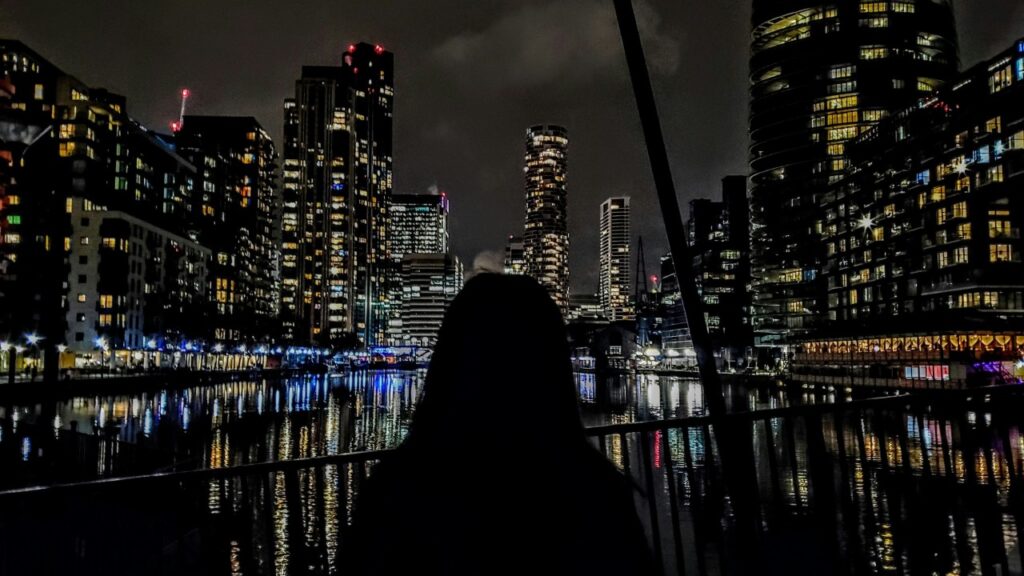
The intense lights, the insatiable bass, the laughter spilling out onto crowded streets, nightlife has always had an almost magnetic pull. For many, the allure of parties and social gatherings is about more than just entertainment; it taps into a deeply human experience, one that is often driven by a psychological force known as FOMO, or the Fear of Missing Out. This phenomenon has grown more pronounced in recent years, fuelled by social media, peer influence, and an increasingly interconnected world, making it a central aspect of how people approach nightlife. Understanding the psychology behind FOMO can reveal why parties feel irresistible, why people push themselves to attend even when exhausted, and why the anxiety of missing out can sometimes overshadow the joy of being present.
At its core, FOMO is an emotional response rooted in our social nature. Humans are wired to seek connection, approval, and belonging. Evolutionarily, being part of a group meant safety, shared resources, and survival. In the modern context, the stakes are more subtle but no less powerful. Missing a party, a gathering, or a night out may trigger feelings of exclusion, a sense that others are having experiences that you are not. This is not just about missing fun; it is about missing social validation and the reinforcement of one’s place within a community. The anticipation of regret, that nagging thought that you could have been part of an experience, creates a psychological itch that often drives people to prioritise being seen over truly enjoying the moment.
Social media amplifies FOMO in nightlife to unprecedented levels. Platforms like Instagram, Snapchat, and TikTok provide a continuous stream of images and videos showcasing parties, concerts, and late-night adventures. Each post becomes a signal, a digital confirmation of others’ experiences, often curated to highlight the most exciting or glamorous aspects. Even if someone’s night is perfectly enjoyable, the fear that others are having “better” experiences can trigger anxiety and the compulsion to join in. This virtual amplification of social comparison heightens the stakes: not attending a party is no longer just a personal choice but a potential social misstep, a missed opportunity to create memories and maintain social credibility. The mind interprets the absence from such events as a loss, activating reward and anxiety circuits in the brain simultaneously.
FOMO also interacts with personality traits and individual psychological tendencies. People who are more extroverted, socially driven, or sensitive to peer influence may experience stronger urges to participate in nightlife events. Perfectionists and high-achievers can also fall into the trap, feeling the need to maximise experiences and extract value from every social opportunity. On the flip side, those with higher levels of social anxiety might experience FOMO differently; instead of drawing them to parties, it may intensify internal conflict, making them feel torn between the desire to belong and the fear of social discomfort. Understanding these nuances explains why two people can be invited to the same event and experience entirely different psychological responses.
Interestingly, FOMO is not purely negative. It can serve as a motivator, pushing individuals to explore new venues, meet new people, and engage in experiences they might otherwise avoid. In this sense, the fear of missing out can catalyse social growth, broaden networks, and even enhance personal creativity by exposing people to diverse perspectives and environments. The challenge lies in balance; when FOMO becomes overwhelming, it can lead to overcommitment, stress, and the paradoxical outcome of feeling disconnected despite being constantly present. In nightlife, this may manifest as attending every party, club night, or social gathering to avoid regret, only to feel exhausted, disengaged, or emotionally drained by the cumulative experience.
The nightlife industry is acutely aware of FOMO’s pull, often leveraging it in marketing and event promotion. Limited tickets, exclusive guest lists, themed nights, and early bird offers all play into the psychological mechanism of scarcity and social reward. Humans are naturally drawn to what appears rare or prestigious, and nightlife venues exploit this tendency by creating events that promise unique experiences, often amplified by social media hype. For attendees, this creates a feedback loop: the more they see others participating, the more compelled they feel to join, perpetuating the cycle of FOMO.
Addressing FOMO requires mindfulness and a conscious approach to social decision-making. Being aware of the triggers, social comparison, scarcity cues, or peer pressure, allows individuals to make choices based on genuine desire rather than fear. Practicing gratitude for present experiences, focusing on meaningful connections over quantity of events, and recognising the curated nature of social media portrayals can reduce anxiety and enhance enjoyment. After all, the heart of nightlife is not merely about attending every party but about creating moments that feel authentic, immersive, and personally fulfilling.
Ultimately, the psychology of FOMO at parties reveals much about human social behaviour. It underscores our need for connection, our vulnerability to social comparison, and the powerful ways modern technology amplifies these tendencies. While the fear of missing out can drive memorable experiences, it can also cloud judgment and erode satisfaction if left unchecked. The key lies in balance: recognising the pull of FOMO, understanding its psychological roots, and learning to navigate nightlife with intention. When approached thoughtfully, nightlife becomes less about the anxiety of missing out and more about the joy of being fully present in the experiences that truly matter. The lights, the music, and the crowd remain enticing, but the decision to participate can shift from compulsion to choice, making every night out not just memorable but genuinely rewarding.