The nightlife industry is often romanticised as a world of music, lights, and endless excitement, but beneath the glittering veneer lies a demanding reality that few outside the scene fully appreciate. While patrons may focus on the fun, the social connections, and the intoxicating energy of nightclubs, bars, and music venues, the people who make these experiences possible endure an often invisible burden: emotional labour. Nightlife workers, from bartenders and promoters to DJs and security staff, constantly navigate a complex web of emotions, expectations, and social interactions, maintaining a façade of enthusiasm, patience, and charisma even when their own reserves are running low. Emotional labour, in this context, is the effort required to manage personal feelings and display socially desirable emotions to create a positive experience for customers, and in nightlife, it is both omnipresent and exhausting.
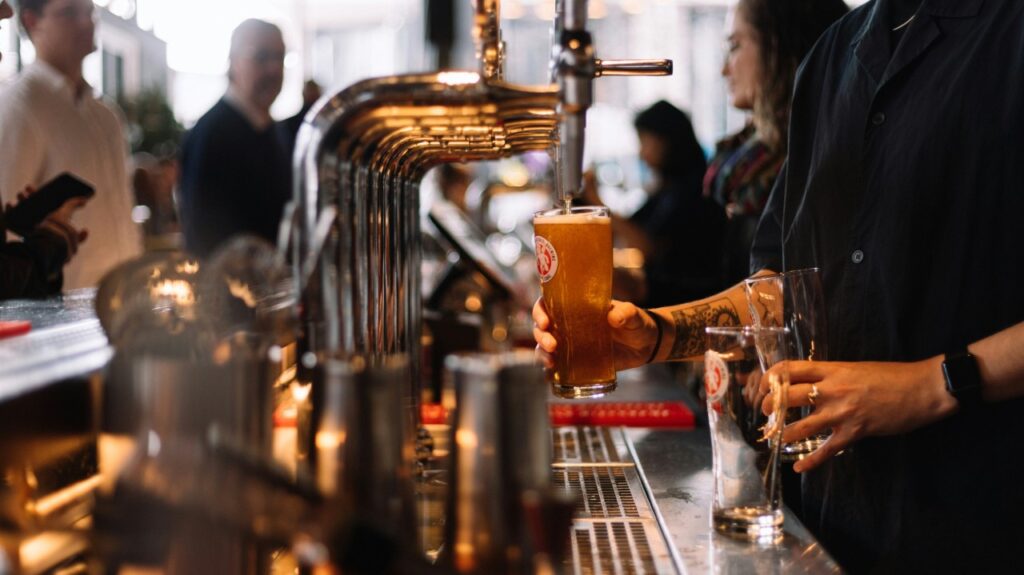
For bartenders, the requirement to smile, make small talk, and remember regulars’ preferences is more than mere customer service; it is a continuous performance. They must gauge each guest’s mood, respond with warmth or humour when appropriate, and manage the occasional aggression or inebriated outburst without showing irritation or frustration. This is not simply about being polite; it is a skilful regulation of one’s emotional state, often under pressure, where mistakes can lead to conflict, complaints, or even loss of income in tipping-based cultures. In busy club environments, this emotional performance is amplified. Workers are not only interacting with individuals but are also reading and responding to the collective energy of the crowd. A lull in music or a shift in atmosphere can trigger a wave of dissatisfaction or restlessness among patrons, requiring staff to respond quickly with reassurance, encouragement, or subtle interventions to maintain the desired vibe.
DJs and performers also shoulder a distinct type of emotional labour. While their role is visibly about artistic expression, they are constantly monitoring the crowd, adjusting their set, and managing their own performance anxiety to ensure the audience remains engaged and entertained. The pressure to maintain a persona of confidence and charisma can be intense, especially in high-profile venues or during peak hours. When the crowd is unresponsive, critical, or demanding, performers must absorb this feedback gracefully, masking any disappointment or stress. Behind the scenes, they may be exhausted, anxious, or battling personal issues, yet the expectation to radiate energy and passion persists. This balancing act between internal emotional state and external presentation is emotionally draining, and yet it is rarely acknowledged in mainstream discussions about nightlife culture.
Security staff, often overlooked in conversations about nightlife, engage in emotional labour in a different but equally taxing manner. They must navigate tense situations, de-escalate potential conflicts, and enforce rules while maintaining professionalism and authority. This requires immense self-control and empathy; a momentary lapse in composure can escalate a conflict, whereas a calm, measured approach can prevent incidents from spiralling. They are constantly evaluating body language, tone of voice, and situational cues, adjusting their own reactions to manage both patrons and colleagues effectively. The emotional strain is compounded by long hours, exposure to aggression, and the responsibility of ensuring everyone’s safety, making emotional labour a core part of their role even if it is invisible to most club-goers.
Promoters and front-of-house staff also experience emotional labour, albeit in ways that blend salesmanship with social performance. They must appear approachable, enthusiastic, and inclusive while navigating sometimes unpredictable social dynamics. Their success depends on cultivating an inviting atmosphere, managing relationships with both patrons and performers, and deflecting criticism or complaints with grace. The work is cyclical; high-energy bursts of sociability must be sustained night after night, even when personal energy is depleted. The emotional toll is real, manifesting in burnout, stress, and a sense of emotional dissonance when the outward display does not match internal feelings.
One of the most insidious aspects of emotional labour in nightlife is its invisibility. Guests rarely consider the emotional effort required to maintain a seamless, enjoyable night out. Compliments and gratitude may be occasional, but criticism, entitlement, and unrealistic expectations are frequent. Nightlife workers are expected to perform cheerfulness, patience, and charm on demand, masking fatigue, irritation, or personal challenges. Over time, this continuous regulation of emotions can lead to exhaustion, depersonalisation, and diminished job satisfaction. Unlike physical fatigue, emotional labour leaves no visible mark, making it harder for others to recognise or validate the effort involved.
Yet, despite its challenges, many nightlife workers take pride in their ability to read a room, respond to the energy of the crowd, and create memorable experiences. Emotional labour, when recognised and supported, can be a source of professional skill and personal satisfaction. Training, peer support, and organisational policies that acknowledge emotional labour are crucial in mitigating its negative impacts. Creating an environment where staff can express their own emotions safely, take breaks when needed, and share the burden of managing challenging interactions can make the difference between sustainable careers and burnout.
In the glamourised world of nightlife, it is easy to overlook the hidden labour that underpins the spectacle. The smiles, the smooth interactions, the seemingly effortless flow of energy are all products of sustained emotional effort. Understanding the emotional labour of nightlife workers allows us to appreciate not just the fun and excitement of a night out, but the human effort that makes it possible. By recognising and valuing this work, we can foster a nightlife culture that is more sustainable, compassionate, and respectful for those who dedicate their nights to creating joy for others.