Written by: Michael Kill, NTIA, CEO
Full Nightlife Article Newsletter series.
The idea of a “24-hour city” has increasingly captured the imagination of urban planners, local authorities, business leaders, and communities alike. Cities such as London, Manchester, and Birmingham are exploring ways to extend commercial, cultural, and leisure activities beyond traditional closing hours, aiming to build night-time economies that rival global hubs like New York, Berlin, and Tokyo. Yet the challenge remains: how can cities co-design a night-time landscape that fosters economic growth while ensuring the safety, wellbeing, and inclusivity of those who live, work, and socialise after dark?
At its heart, the push for a 24-hour city is driven by economic and market opportunity. Bars, restaurants, theatres, live music venues, cinemas, and late-night retail together form a dynamic night-time economy that contributes billions in revenue and supports tens of thousands of jobs. Longer operating hours allow businesses to thrive, attract tourism, and offer flexible employment options, particularly for younger demographics. Beyond commerce, cultural vibrancy is an equally important benefit. Night-time arts, music, theatre, and festivals enrich the social fabric of urban life, promoting creativity, diversity, and a sense of community. In co-designing the 24-hour city, residents’ voices become critical: understanding how they interact with nightlife, their preferences, and their concerns ensures that the night-time economy reflects the city’s identity and serves all its communities.
Economic potential, however, carries a responsibility: safety. Night-time activity can increase the risks of crime, antisocial behaviour, and disorder. Drunk and disorderly incidents, street violence, and petty theft often peak after hours, placing pressure on policing services, emergency responders, and local infrastructure. Transport systems, street lighting, and urban design must be adapted, but these solutions are most effective when co-designed with the people who use them. Engaging communities in planning walkways, lighting schemes, and transport routes ensures that safety measures respond to lived experience, not just theory.
Safety is not limited to physical security. Inclusivity is a core consideration in a co-designed night-time city. Women, minority groups, and older adults often experience heightened anxiety in poorly managed or poorly lit urban spaces, limiting their participation. Co-design processes – from public consultations to participatory urban design workshops – can help ensure that night-time spaces are accessible, welcoming, and responsive to the diverse needs of the population.
Collaboration extends to business practices as well. Licensing authorities, local councils, and venues can work together to promote responsible service, noise management, staff training, and community-minded initiatives. Street marshals, local patrols, and volunteer safety schemes, co-designed with local stakeholders, complement policing by creating proactive, context-specific safety networks. This integrated approach encourages businesses to take an active role in the wellbeing of their patrons and neighbourhoods while reinforcing the reputation of the city as a safe and vibrant destination.
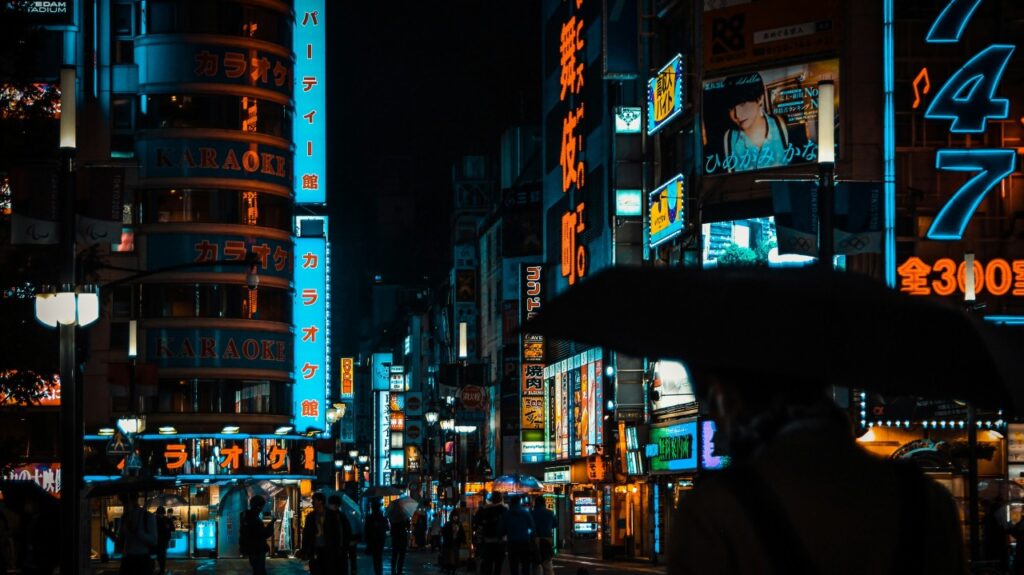
Diversifying night-time activity is another co-design strategy. From museums, theatres, and music venues to late-night markets, spreading footfall across different areas reduces crowding in high-risk locations and broadens participation across demographics. International examples highlight the benefits of holistic, co-designed approaches. Berlin’s nightlife thrives through a mix of extended hours, responsible club culture, and strong public transport. Tokyo’s Shinjuku district maintains low crime levels through careful urban design, community policing, and clear licensing standards. In both cases, night-time success relies on collaborative planning, not simply staying open longer.
As UK cities explore 24-hour models, co-design offers a path to balance economic ambition with safety and inclusivity. Policymakers, businesses, and residents must be active partners in shaping the night-time city, ensuring that measures are evidence-based, context-sensitive, and adaptable. With careful planning and genuine collaboration, night-time economies can flourish alongside safe, accessible, and inclusive urban spaces.
Ultimately, the debate is not whether cities should extend their hours, but how they co-create a 24-hour city. A thriving night-time economy and a secure, welcoming city environment are not mutually exclusive. The challenge – and the opportunity – is designing cities that truly flourish after dark, for everyone.