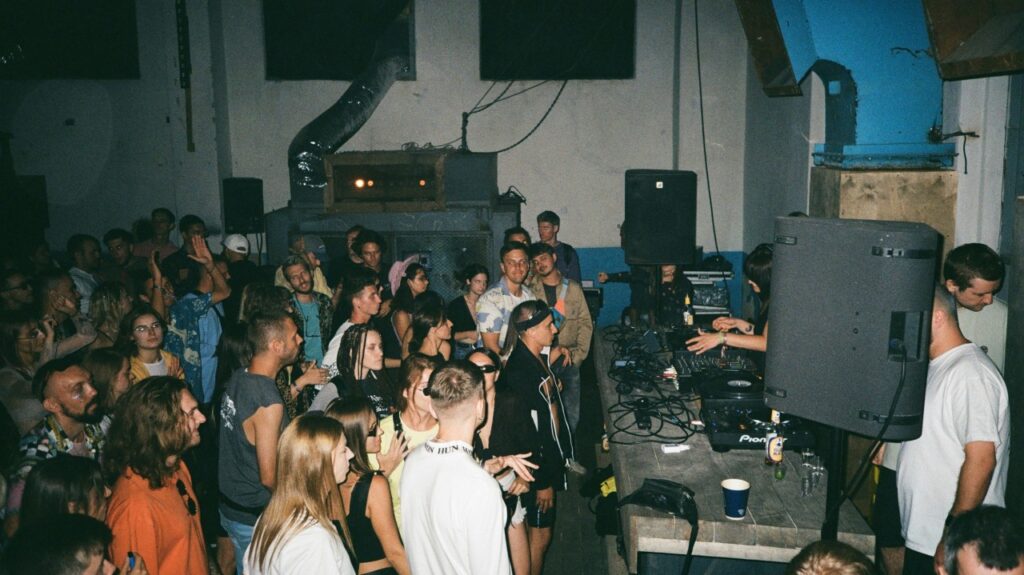
Once upon a time, you had to follow word-of-mouth directions, cross a canal, duck through a fence, and enter a warehouse to find the best night of your life. Now, you book tickets via an app, get a QR code, and sip an £11 Negroni in a ‘converted industrial space’ that feels more Soho House than squat rave.
This is the story of how nightlife, once wild, messy and subversive — is being neatly packaged and sold back to us. And at the centre of it all is gentrification.
Clubs that once gave voice to marginalised communities are being squeezed out by rent hikes and licensing red tape. Iconic underground venues are shuttered, only to be replaced by “multi-purpose cultural hubs” that serve craft beer and close by midnight. And the new venues? Slick. Branded. Algorithmically curated. Safe, in every sense of the word.
The change didn’t happen overnight. Councils desperate to attract investment have long treated nightlife as a nuisance to be managed, not a culture to be protected. Noise complaints from new-build flats next to 20-year-old clubs are taken more seriously than preserving community. Landlords see more value in turning venues into offices or luxury apartments than letting a basement run drum & bass until 6am. And the result? A scene that looks more polished, but feels less alive.
Of course, not all development is bad. New venues can bring better sound systems, accessible toilets, gender-neutral policies, and safety measures that older spots lacked. But when the soul of nightlife , the diversity, the unpredictability, the rebellion, is stripped away to make way for influencer-friendly dance floors, what’s left?
There’s also the issue of who gets to survive the shift. Wealthier promoters with brand sponsorships can afford to play the game. DIY crews and grassroots organisers can’t. Entire scenes, particularly queer, Black, and working-class collectives, are priced out before they even have a chance to grow.
It’s not just the venues either. The people are changing. What used to be local culture is now a curated “experience.” Nights out become something to document rather than participate in. Aesthetics win over energy. It’s nightlife as lifestyle, not resistance.
And while the “death of clubbing” has been declared before (usually by people over 35), this isn’t about tastes changing. It’s about power. Who controls the spaces. Who can afford to stay. Who gets to define what counts as culture, and what gets bulldozed in the name of progress.
Still, there’s hope. Pop-up raves in off-grid spaces. Pirate radio stations resurrected on Twitch. Young crews fighting for community-run venues. There’s a resistance bubbling up, as there always is. Because as long as there are beats and bodies and a need to move, real nightlife will find a way.
But if we want to keep it alive, we need to stop treating clubs as noise nuisances and start recognising them as cultural institutions. Because once they’re gone, no amount of neon branding or rooftop cocktails will bring that magic back.